
Why Small Conversations Turn Into Big Arguments in Relationships


It’s Rarely About What You’re Actually Talking About
It usually starts with something small.
A comment that lands the wrong way.
A tone that feels sharp.
A question that suddenly feels like criticism.
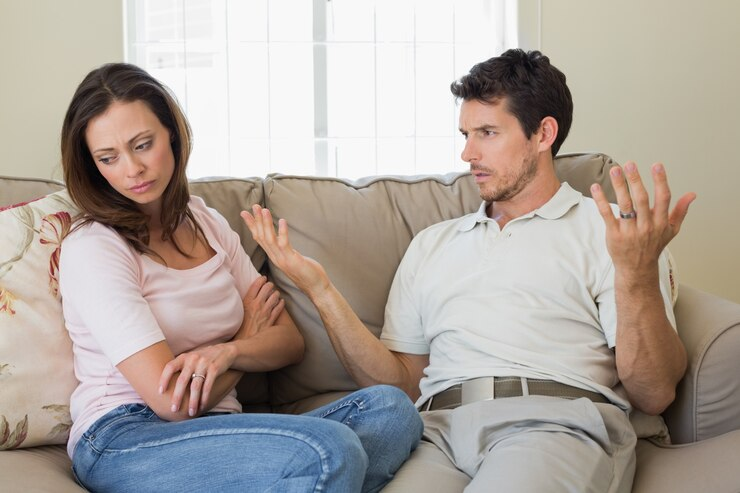
And before you know it, you’re arguing, not about this moment, but about everything underneath it. You might find yourself thinking: “Why did that escalate so fast?” “Why does every small thing turn into a fight?” And maybe, quietly: “Why does this feel so much bigger than it should?”
When Reactions Feel Bigger Than the Moment
Many people feel confused by their own responses in relationships.
You might notice that:
You feel instantly defensive
Your body tenses before you even understand why
You replay the conversation later and think, “That wasn’t what I meant to say”
You feel misunderstood, unheard, or emotionally flooded
These moments aren’t signs that you’re “too sensitive” or bad at communication.
They’re often signs that something deeper has been touched.
What’s Really Happening Beneath the Argument
Emotional Triggers Are Often Invisible Emotional triggers are reactions rooted in past experiences, not just past relationships, but sometimes much older emotional wounds.
When a trigger is activated, your nervous system responds before logic has a chance to step in. Suddenly, the conversation isn’t about:
the dishes
the timing
the wording
It’s about feeling:
dismissed
criticized
unimportant
unsafe
unseen
And those feelings tend to demand attention, loudly.
Why It Feels Impossible to Stay Calm
Once a trigger is activated, your body moves into protection mode. You may:
raise your voice
shut down
feel the urge to prove your point
or emotionally withdraw
In these moments, it’s not about winning the argument. It’s about trying to feel safe again.
Why These Patterns Repeat in Relationships
Many couples notice that the same kind of argument keeps happening, even when the topic changes. That’s because the argument isn’t really about the topic, it’s about a pattern.
A pattern that says:
“I don’t feel heard.”
“I don’t feel valued.”
“I don’t feel emotionally safe right now.”
Until these underlying emotions are acknowledged, the surface conversations keep exploding.
Over time, repeated emotional reactions can create distance, which is often why partners find themselves talking less and feeling emotionally disconnected.
You’re Not “Too Much” for Feeling This Way
This is important to say clearly:
Strong reactions don’t mean something is wrong with you.
They often mean:
your emotions learned to protect you early
your needs weren’t always met
safely your nervous system is doing its best
Understanding this shifts the question from “Why am I like this?”
to
“What is this reaction trying to protect?”
How Therapy Helps Couples Break This Cycle
In therapy, couples don’t just talk about what they argue about, they explore why certain moments feel so intense.
Therapy can help couples:
recognize emotional triggers as they arise
slow conversations down before escalation
understand each other’s inner experiences
respond instead of react
rebuild emotional safety over time
Instead of blaming, couples begin to see patterns, and patterns can be changed.
Many couples hesitate to seek help because they aren’t constantly fighting, and instead wonder whether couples therapy can help when the relationship just feels distant.
When It Might Be Time to Seek Support
You might consider therapy if:
arguments feel emotionally exhausting
the same issues keep resurfacing
you feel misunderstood even when trying to explain
small moments create outsized emotional reactions
Seeking support isn’t about fixing yourself or your partner. It’s about understanding what’s happening beneath the surface.
Exploring these patterns with a couples therapy professional can help partners feel safer, understood, and less reactive in difficult moments.
FAQs
Why do small things trigger big reactions in relationships? Because they often activate deeper emotional experiences connected to feeling unsafe, criticised, or unseen.
Are emotional triggers related to past experiences? Yes. Triggers are often shaped by earlier relationships, family dynamics, or unresolved emotional wounds.
Can couples therapy help with emotional reactivity? Absolutely. Therapy helps couples identify triggers and learn healthier ways to respond to each other.
What if only one partner reacts strongly? Therapy can help explore individual emotional patterns while strengthening the relationship as a whole.
Does this mean the relationship is unhealthy? Not necessarily. Many healthy relationships still carry emotional patterns that need awareness and care.
A Gentle Closing Reflection
When small conversations turn into big arguments, it’s rarely because of poor intentions.
More often, it’s because something tender is asking to be understood. With the right support, couples can learn to hear what’s underneath the reaction, and respond with more compassion, clarity, and connection.


Comments